
More than a directory
HR software should help your team manage employee records, attendance, approvals, and payroll preparation—not just store names and contact details.
About
NxtGenSoftware brings employee records, attendance devices, approvals, and payroll preparation together so teams spend less time chasing updates.
Explore the platform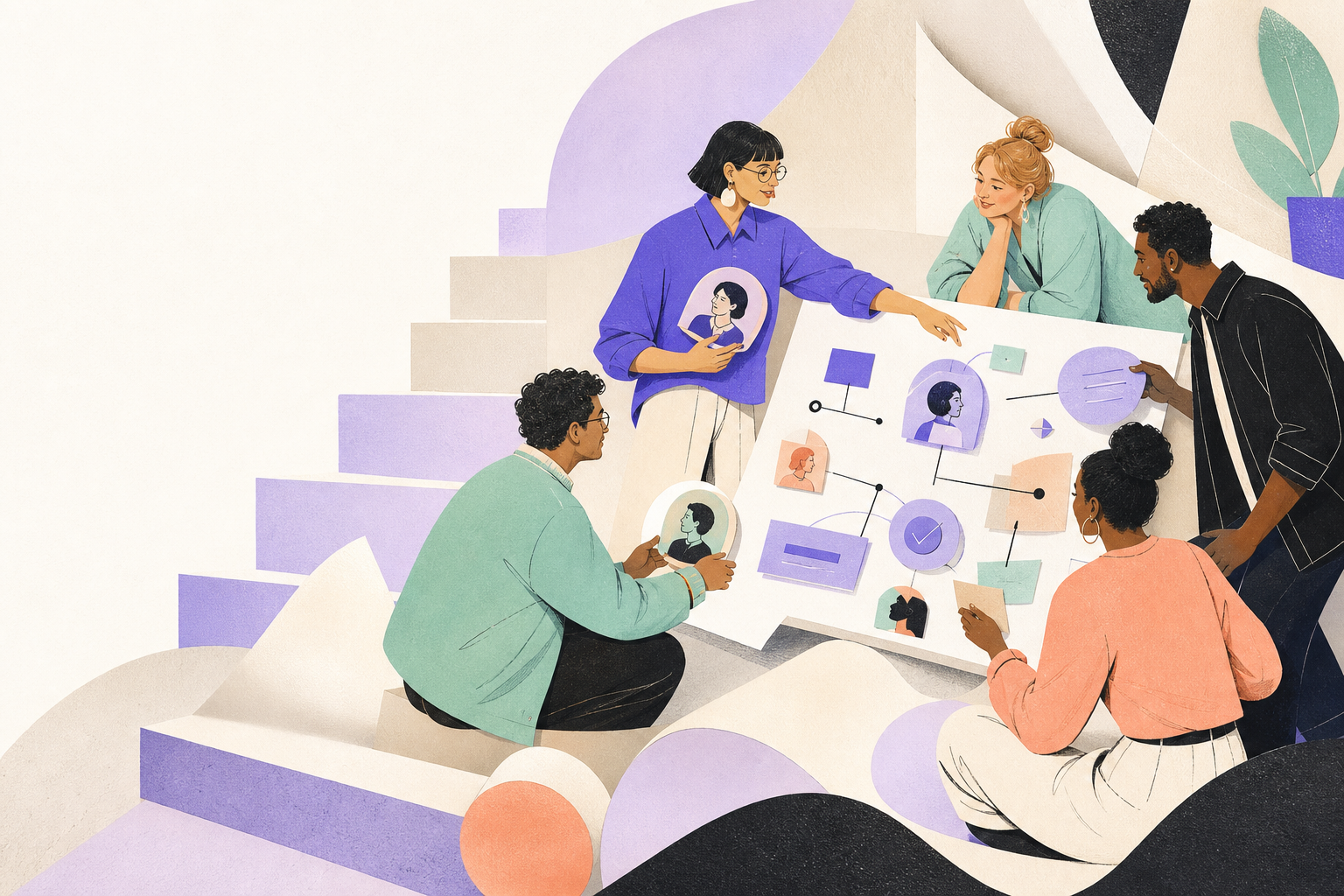
Why we built it
Help HR teams find and fix problems before they turn into last-minute payroll work.
What we believe
Employee information, attendance, approvals, and payroll preparation should work together without constant manual follow-up.
HR software should help your team manage employee records, attendance, approvals, and payroll preparation—not just store names and contact details.
Your team should be able to see what is pending, who needs to handle it, and what happens next.
Most payroll problems begin with missing employee information, unresolved attendance issues, or late approvals. We help teams catch them earlier.
Why now
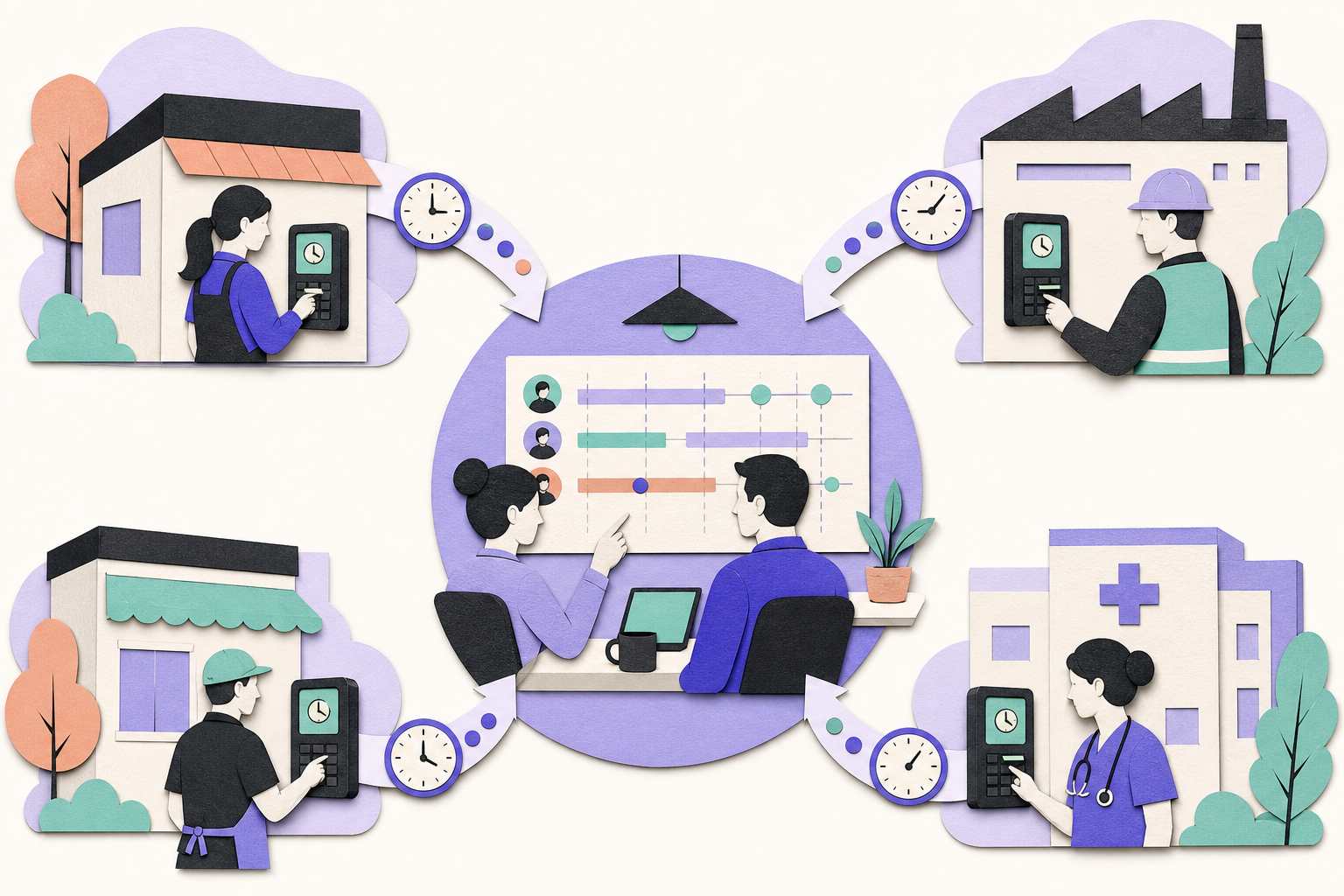
As a company grows, it adds people, locations, attendance devices, managers, and policies. The software should keep things clear as that complexity grows.
How we design
Important tasks have a clear owner and a clear next step.
Teams can spot problems without checking spreadsheets, messages, and separate device systems.
Adding more employees, locations, and attendance devices should not create more manual follow-up.
Leaders get a clear view while HR and payroll teams get tools that are useful every day.
The long view
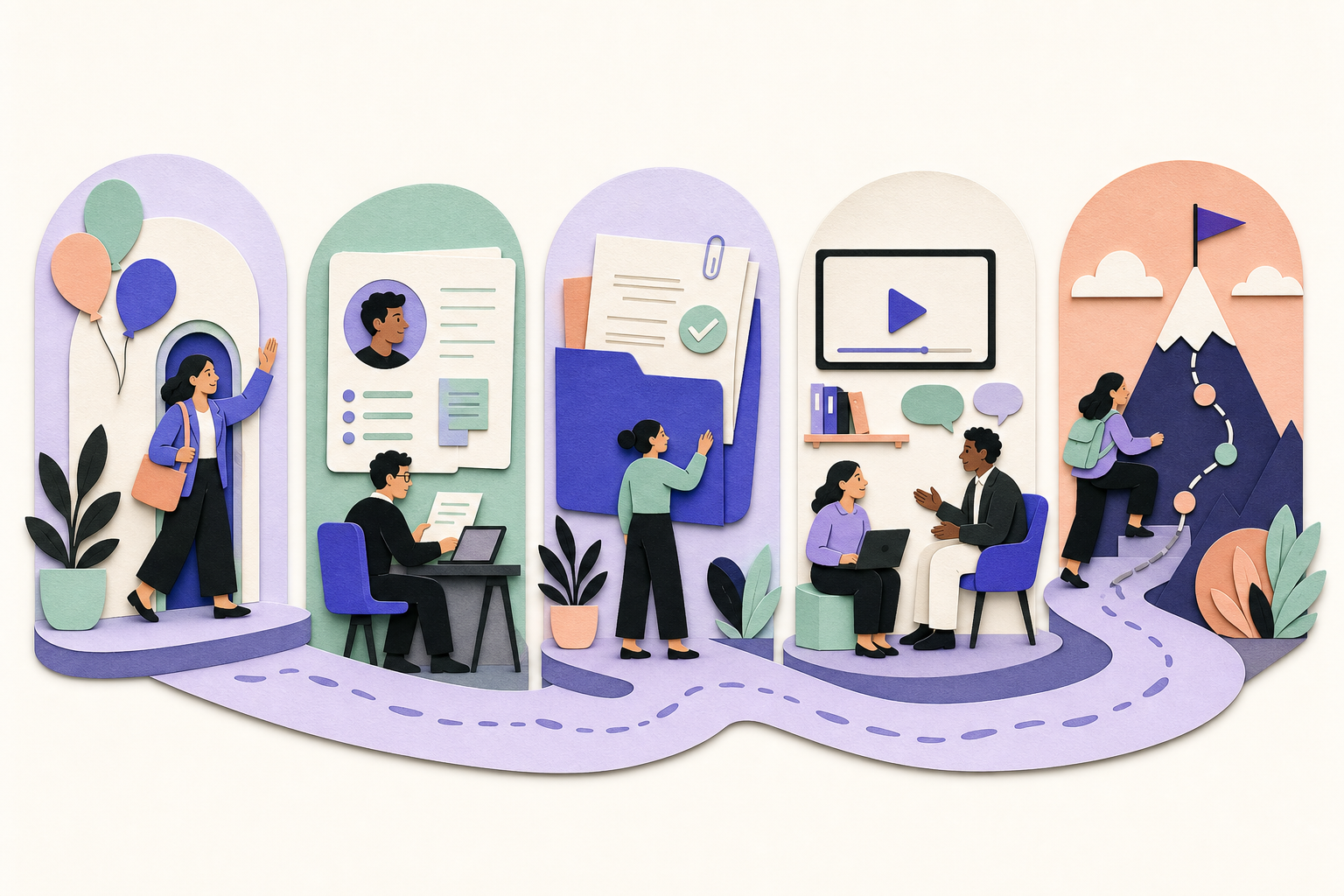
Onboarding, transfers, documents, attendance, approvals, and payroll preparation should always use the same up-to-date employee information.