NxtGenSoftwareworkforce operating system

Solution

Payroll Preparation

For payroll-adjacent teams that need structured data and fewer late surprises.

Readiness view

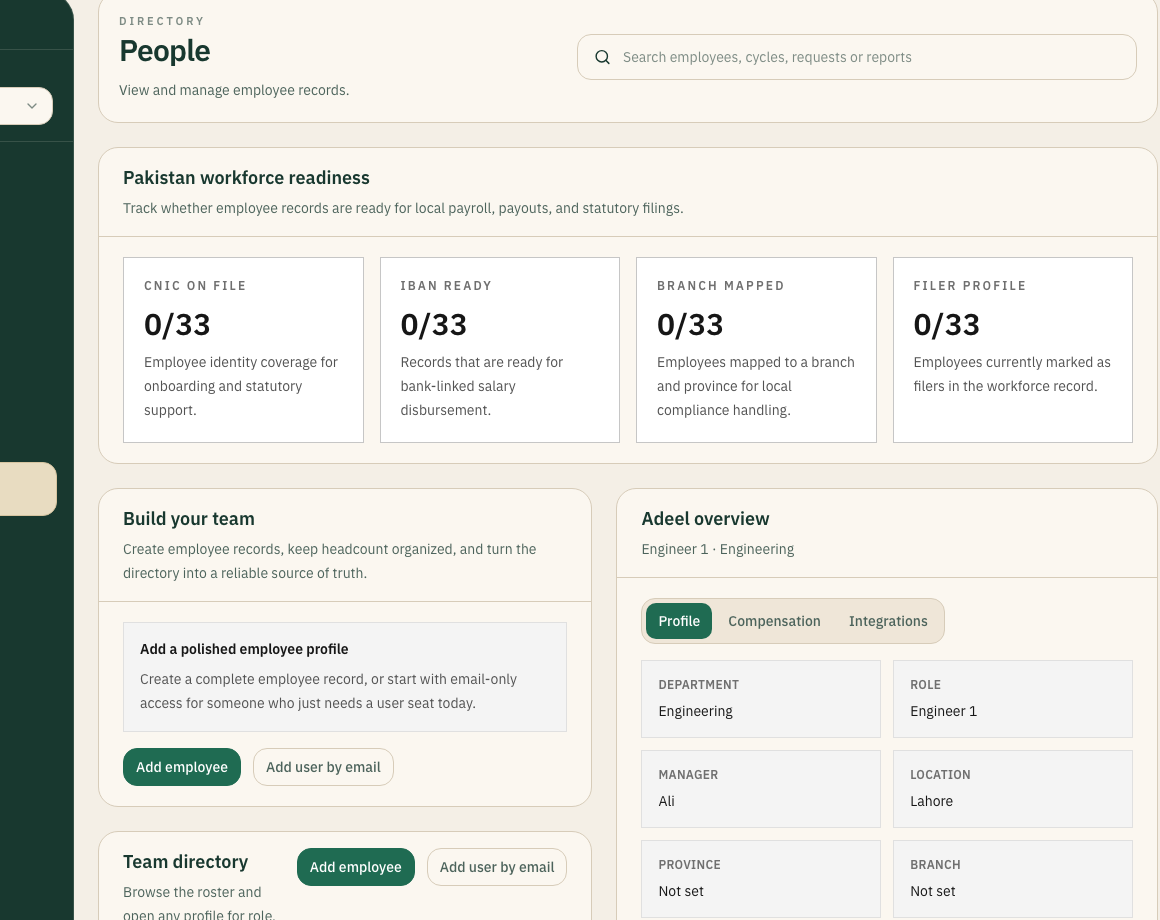
Payroll readiness starts in the directory

Payroll Preparation

The people workspace surfaces the data gaps that usually slow disbursement and compliance work down.

Why this matters

The operational problem

Payroll errors often start upstream: incomplete employee records, missing identifiers, outdated branch assignment, late attendance corrections, and approvals that were never closed. By the time payroll notices, the cycle is already under pressure.

How NxtGenSoftware changes the operating model

NxtGenSoftware treats payroll preparation as an operating discipline. The product surfaces readiness gaps, employee data quality, attendance exceptions, and approval state before disbursement work begins.

Workflow

What the team actually does

  1. 1

    Define the fields payroll depends on for each employee population.

  2. 2

    Monitor missing CNIC, IBAN, branch, status, filer, or attendance identifiers.

  3. 3

    Close leave, expense, and attendance exceptions before the payroll cut-off.

  4. 4

    Export or hand off cleaner payroll inputs with supporting context.

Controls

What becomes visible and governed

Readiness status by employee
Required field visibility
Approval state before cut-off
Attendance exception review

Expected outcomes

  • Fewer last-minute payroll corrections
  • Cleaner data for finance handoff
  • Earlier visibility into blockers that would delay disbursement

Operating note

Track readiness fields

Make branch mapping, filer status, CNIC, IBAN, and profile completeness visible before a payroll cycle begins.

Operating note

Align workforce records and attendance

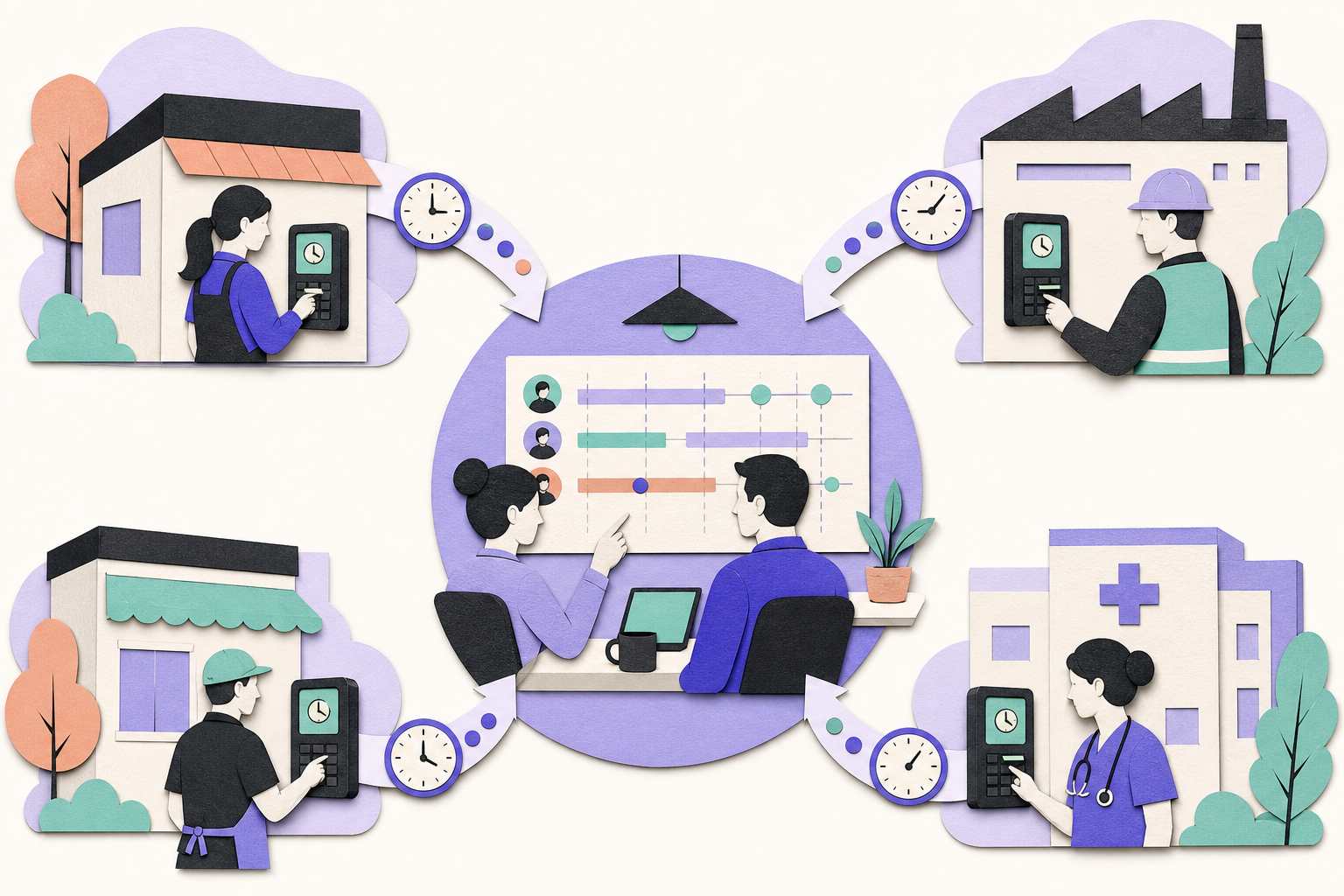
Payroll prep improves when employee data and device-driven attendance events are reviewed in one place.

Operating note

Reduce downstream correction work

The system is designed to prevent cleanup from piling up in the final hours before payroll processing.