NxtGenSoftwareworkforce operating system

Use Cases

Use Cases

These are the practical outcomes teams usually want first: cleaner records, less fragmented execution, and fewer last-minute surprises.

How to use this section

Use cases focus on the first business outcome a buyer needs to prove.

Teams rarely replace their workforce stack all at once. They start with a painful outcome: replacing sheets, centralizing records, standardizing attendance, reducing approval delays, or improving branch visibility. These pages describe the operating change behind each outcome.

Use case

Replace spreadsheets

Move workforce coordination out of sheets and into a controlled operating surface.

Operational problem

Spreadsheets are flexible until they become the operating system. Then ownership, auditability, version control, and exception follow-up all depend on manual discipline.

Read the operating model

Use case

Centralize workforce records

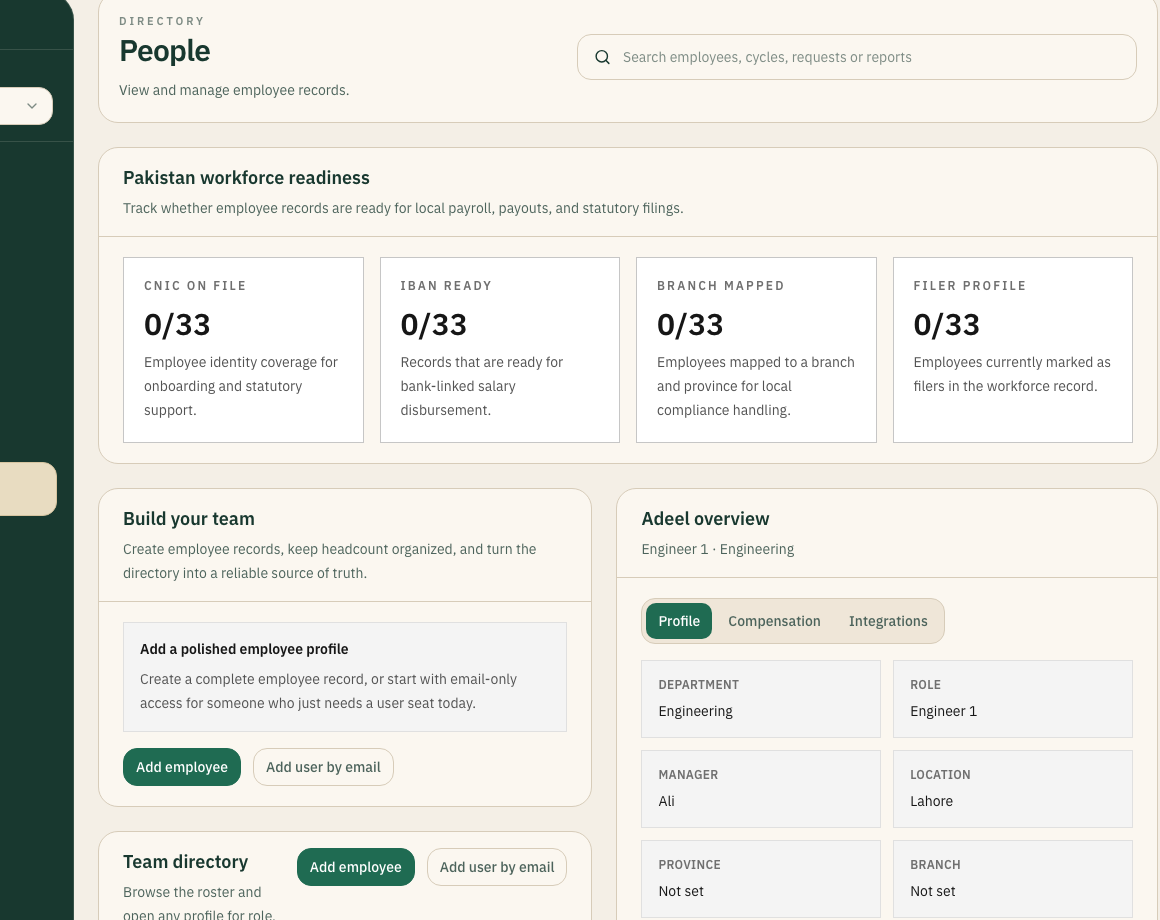
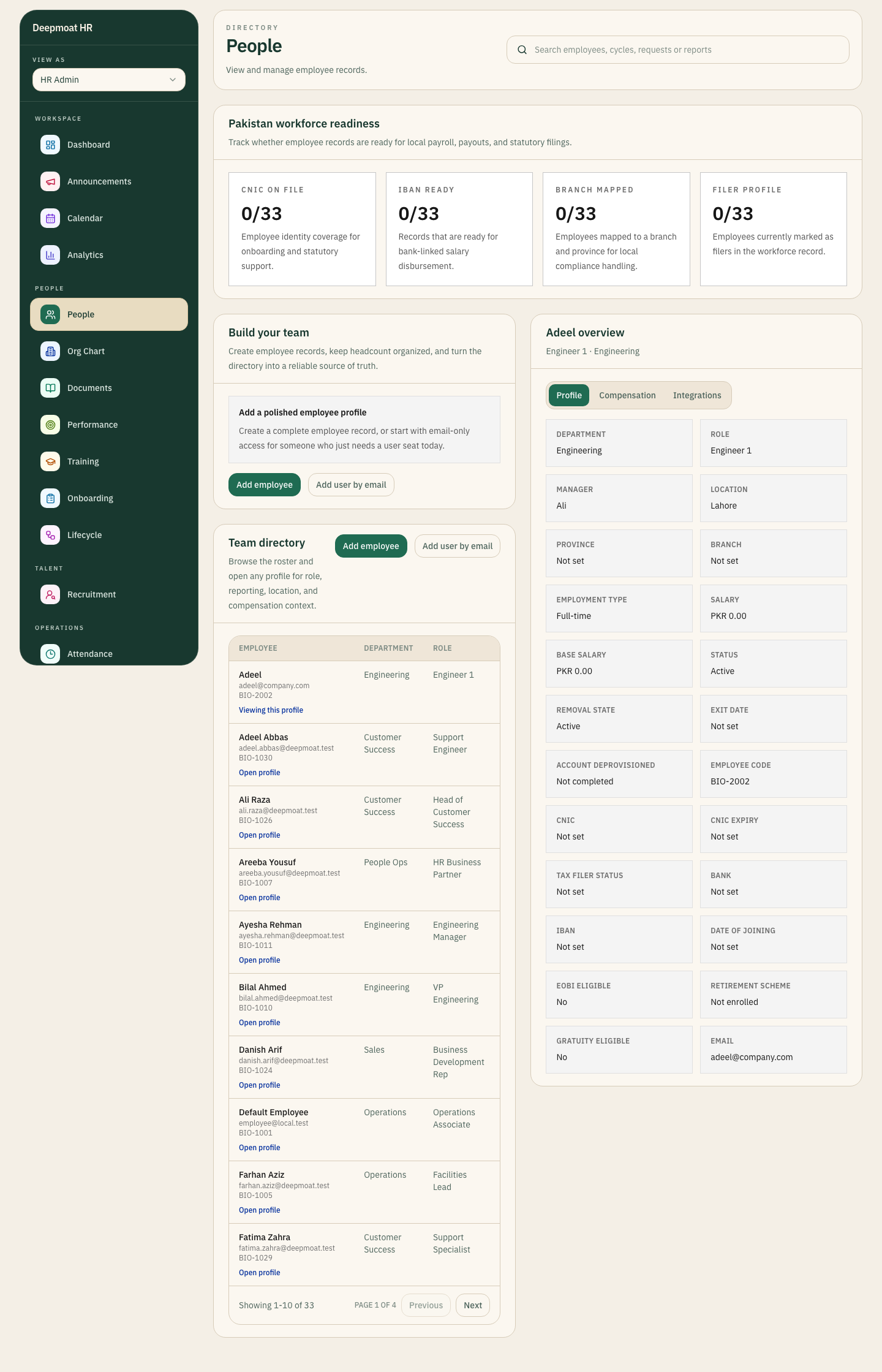
Bring employee records, readiness fields, and workflows into one source of truth.

Operational problem

Employee records lose value when they are only a contact list. Operations need payroll fields, branch ownership, manager context, documents, attendance identifiers, and readiness state in one place.

Read the operating model

Use case

Standardize attendance devices

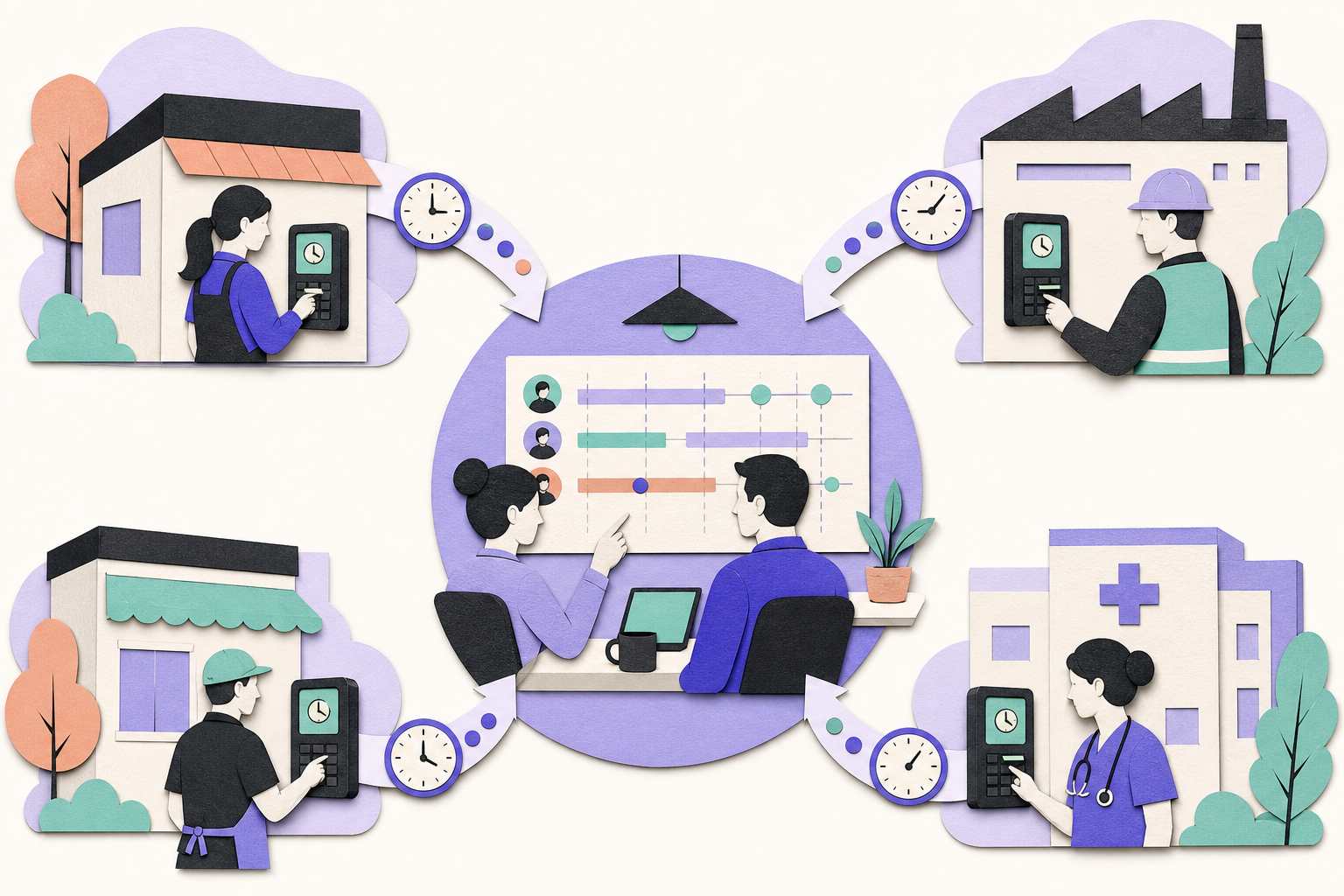
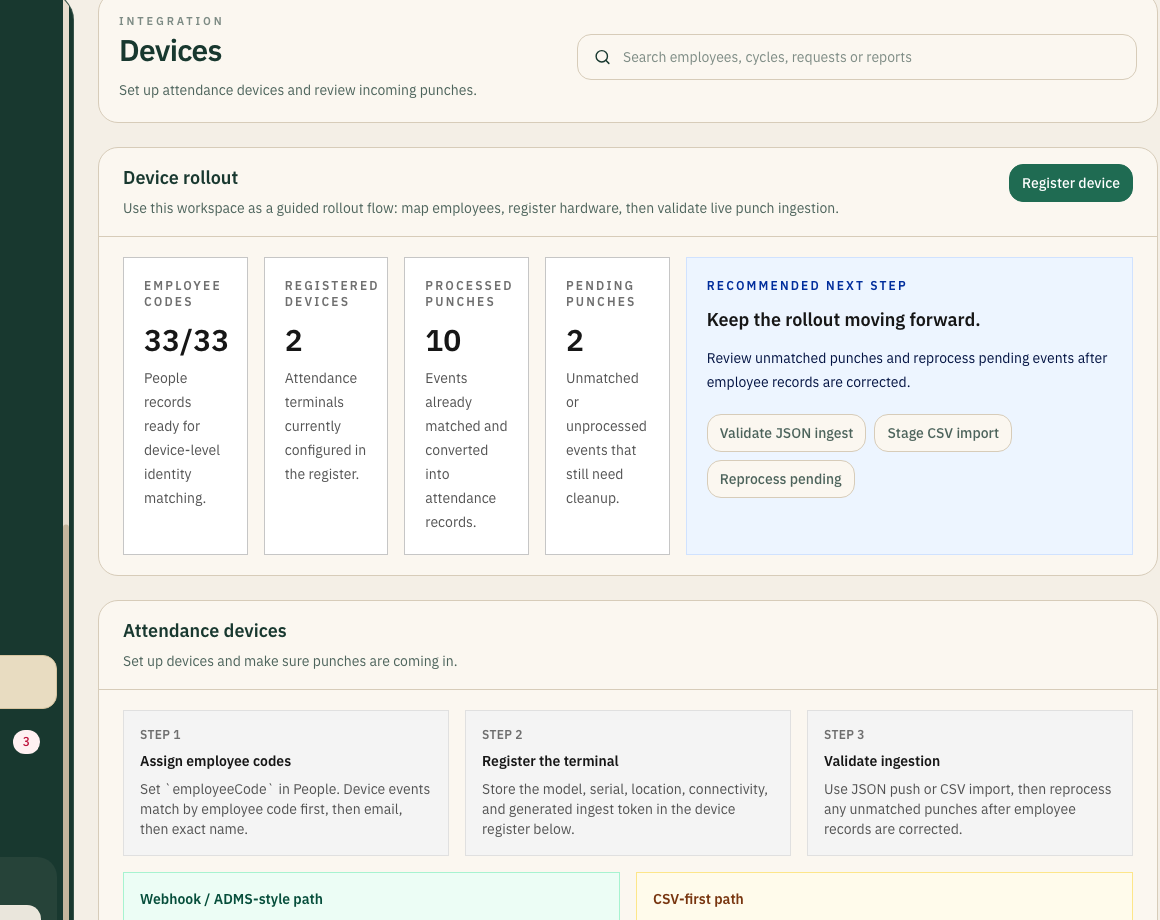
Run device rollout and punch handling with a repeatable process.

Operational problem

Attendance becomes unreliable when every location uses a different process for devices, codes, corrections, and exception review.

Read the operating model

Use case

Reduce approval delays

Turn scattered approvals into a visible operating queue.

Operational problem

Approval delays are not just slow decisions. They create payroll uncertainty, employee frustration, and poor visibility into what managers still need to act on.

Read the operating model