NxtGenSoftwareworkforce operating system

Industry

Distributed Teams

Distributed companies need stronger process clarity because hallway coordination is not available as a fallback.

Distributed fit

Visibility becomes the operating advantage

Distributed Teams

When teams are distributed, the shared system has to make ownership, status, and next steps obvious.

Why this matters

The operational problem

Distributed teams struggle when local operations move faster than central records. Managers approve work in one place, HR updates another, and payroll receives incomplete context later.

How NxtGenSoftware changes the operating model

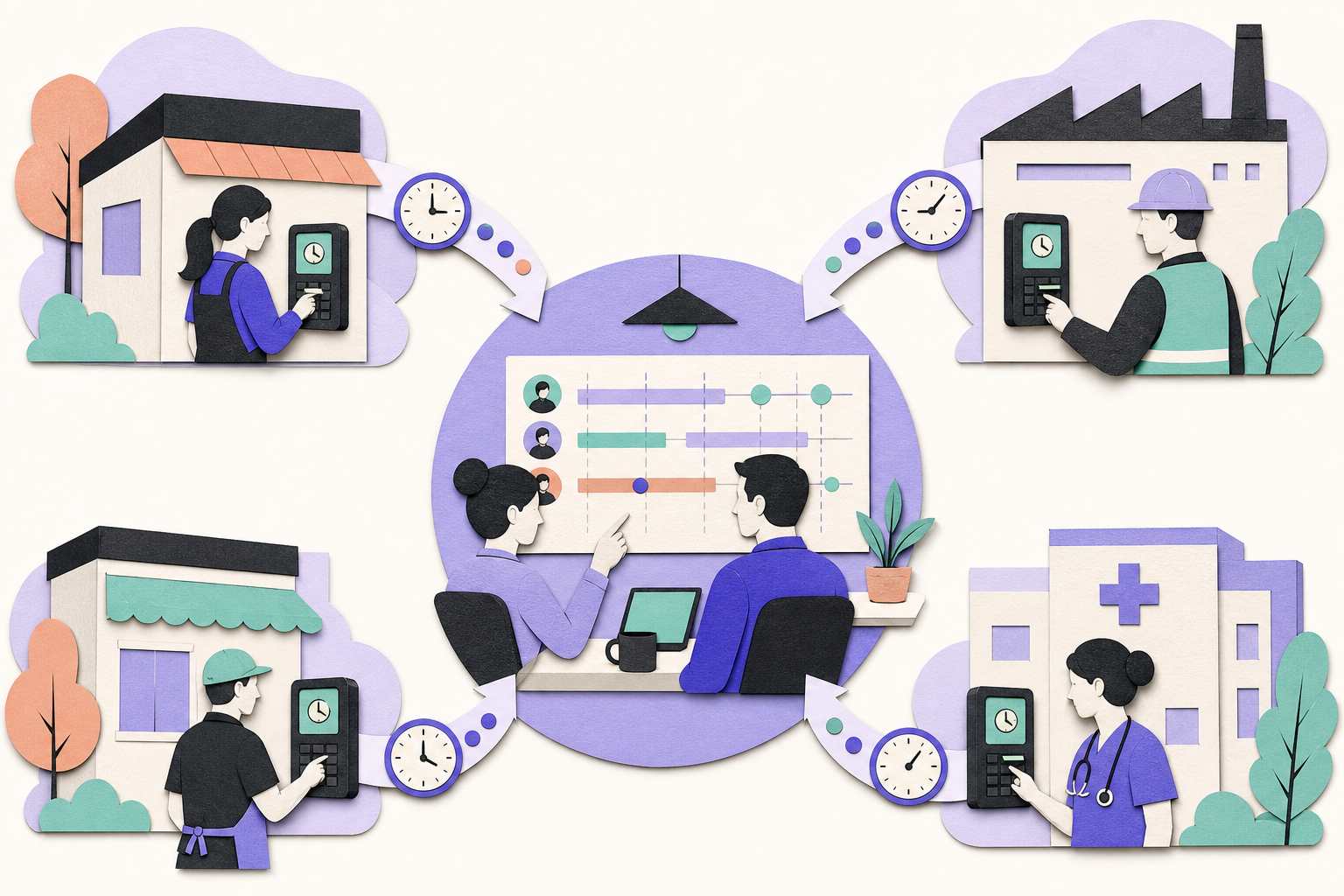
NxtGenSoftware supports distributed operations by keeping records, approvals, attendance context, and readiness work in one shared operating layer. Location does not have to create process drift.

Workflow

What the team actually does

  1. 1

    Define branch, location, manager, and workforce segment for each employee.

  2. 2

    Route requests and exceptions to the right owner regardless of location.

  3. 3

    Monitor readiness and approval state across distributed teams.

  4. 4

    Use centralized reporting to identify locations where work is stuck.

Controls

What becomes visible and governed

Location-aware records
Queue ownership by manager or branch
Central readiness visibility
Exception follow-up across locations

Expected outcomes

  • Reduced process variation across sites
  • Better central oversight without micromanagement
  • Faster closure of distributed workforce tasks

Operating note

Clear status across locations
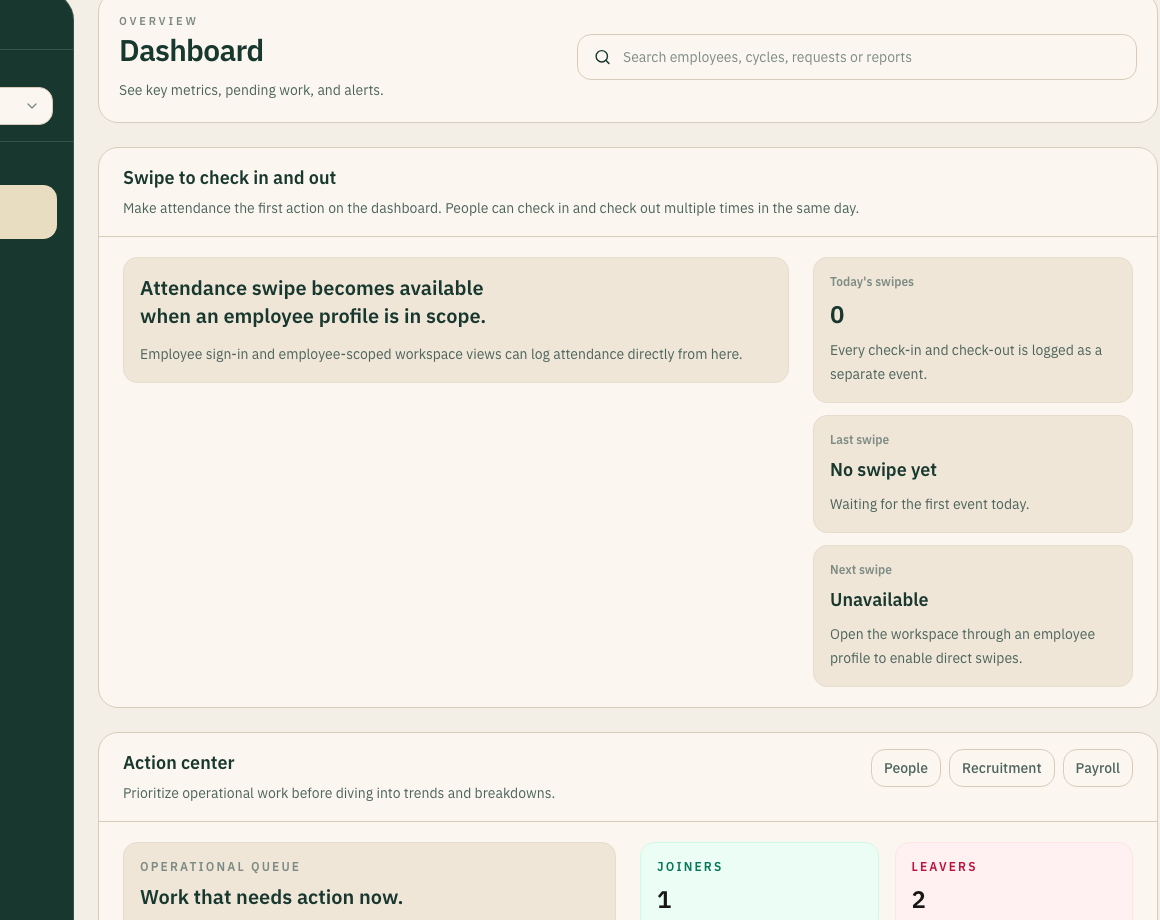
Reduce ambiguity by making task state, queue pressure, and readiness gaps visible to distributed teams.

Operating note

Consistent employee records

Use one system to standardize workforce data quality across locations and operators.

Operating note

Fewer hidden blockers

A visible queue helps remote teams act on the same priorities rather than discovering issues too late.