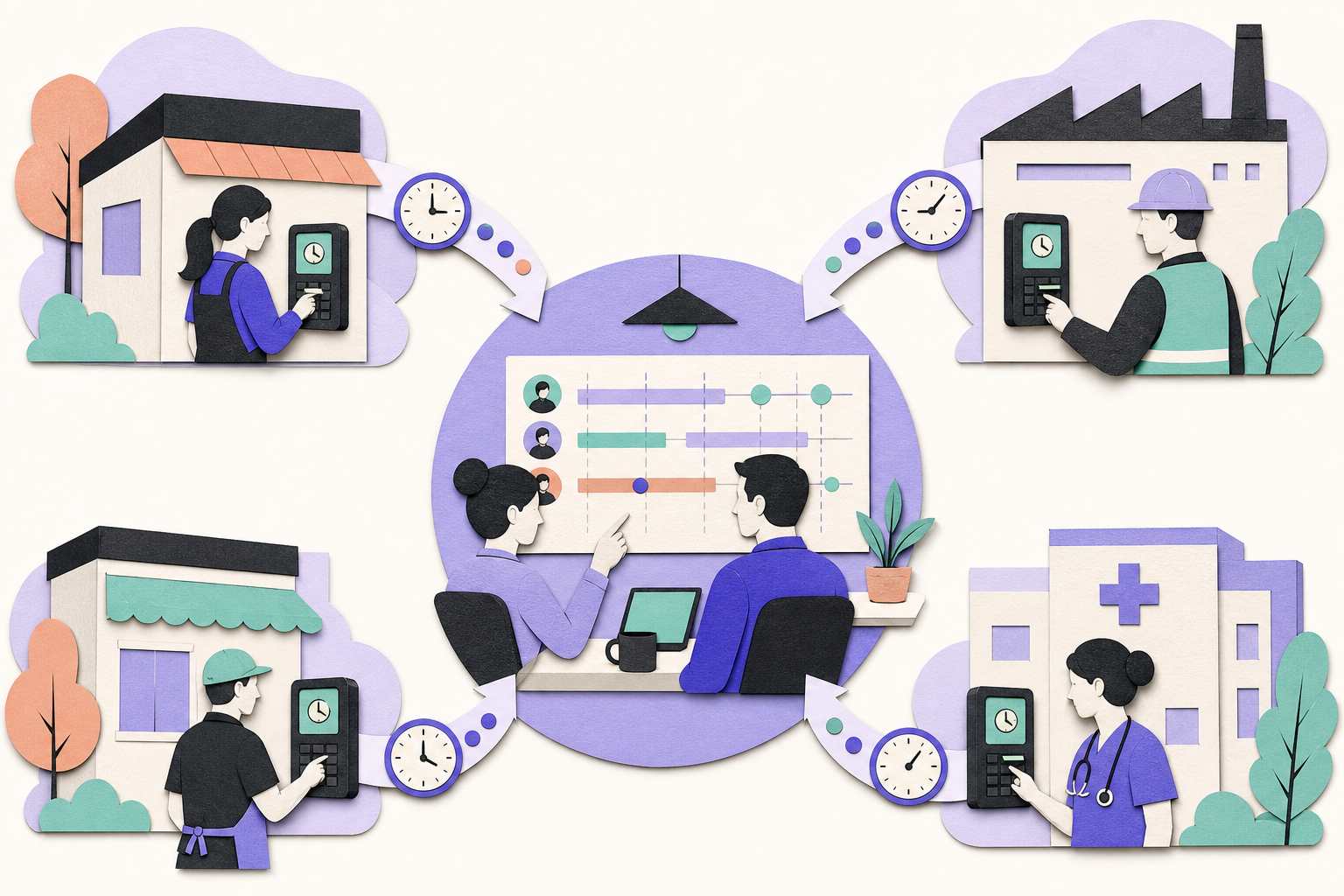
Some teams need a more tailored integration model around device flow, reporting, or internal systems.
Integration
Integration design should reflect operational reality
The platform can support phased or tailored rollout plans where the key goal is operational clarity, not just technical connectivity.
Why this matters
The operational problem
Custom integrations are risky when they automate a broken process. APIs should connect a clear operating model, not hide unclear ownership behind automation.
How NxtGenSoftware changes the operating model
NxtGenSoftware custom workflows start with the business process: what data enters, what validation is needed, who owns exceptions, and what downstream system needs clean output.
Workflow
What the team actually does
1
Define the source system, destination, and ownership model.
2
Map required fields, validation rules, and exception states.
3
Build the workflow around operational review points before full automation.
4
Monitor handoffs and failed records after go-live.
Controls
What becomes visible and governed
Field mapping
Validation rules
Exception ownership
Monitoring and rollout phases
Expected outcomes
More reliable custom integrations
Less automation of bad data
Better control over workforce data handoffs
Operating note
Tailor the rollout sequence
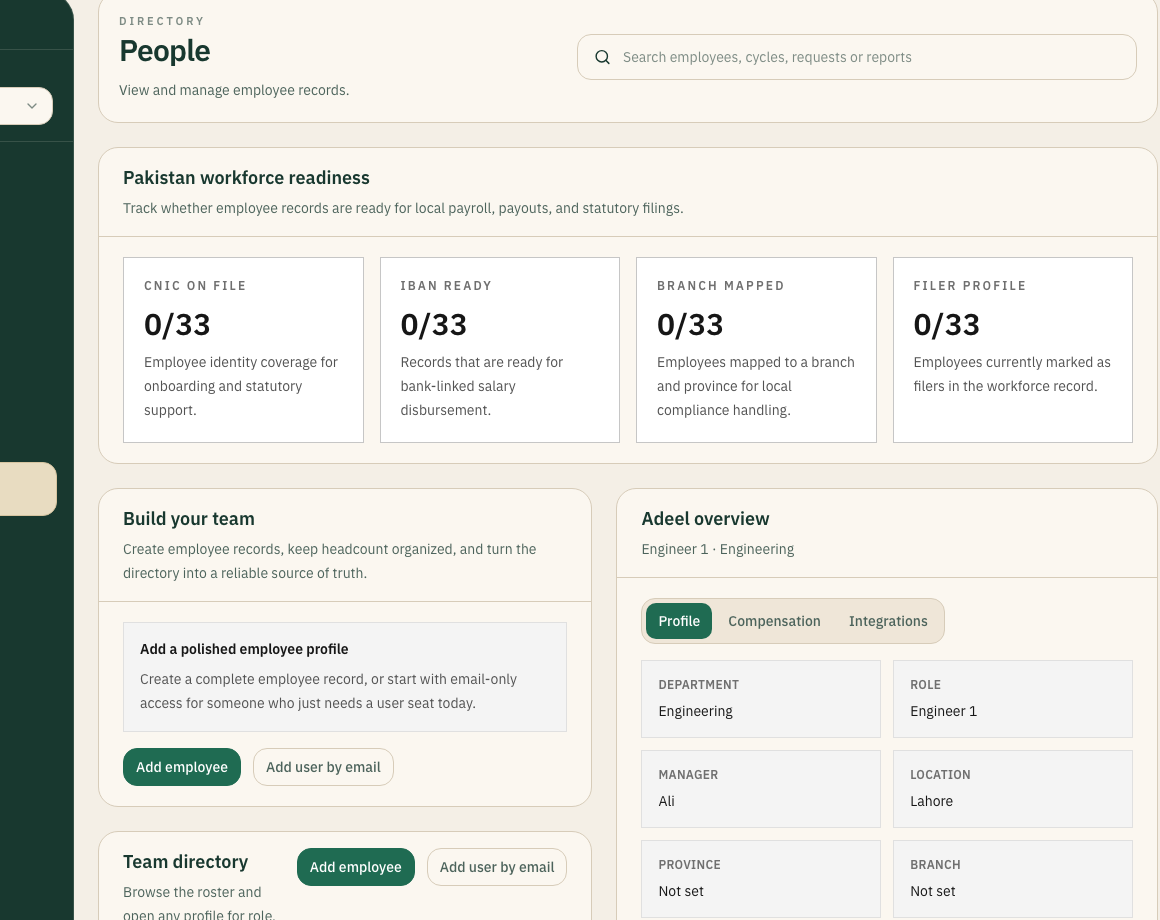
Different teams need different first moves depending on their process pain points.
Operating note
Keep core operations stable
The right integration plan should improve execution rather than introduce new ambiguity.
Operating note
Focus on process outcomes
A good integration strategy reduces manual work and late discovery, not just interface count.