NxtGenSoftwareworkforce operating system

Integration

Attendance Devices

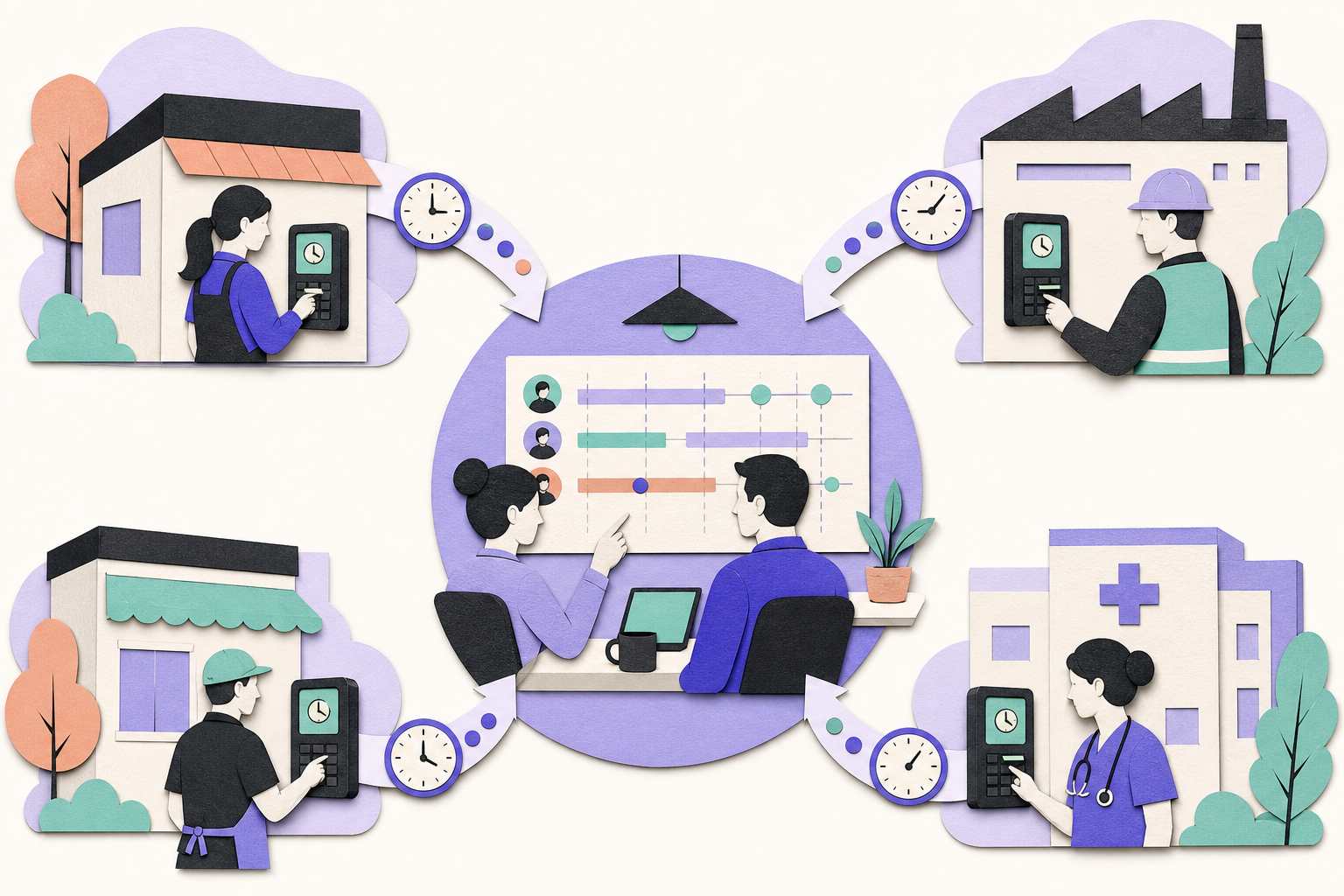
Attendance hardware is part of the operating model, so the system treats it like a first-class integration surface.

Integration

Device operations are visible and structured

Attendance Devices

Use the devices workspace to register hardware, validate events, and resolve pending ingestion issues.

Why this matters

The operational problem

Attendance device integrations fail when hardware events arrive without business context: unknown employees, missing branches, invalid codes, and no owner for failed punches.

How NxtGenSoftware changes the operating model

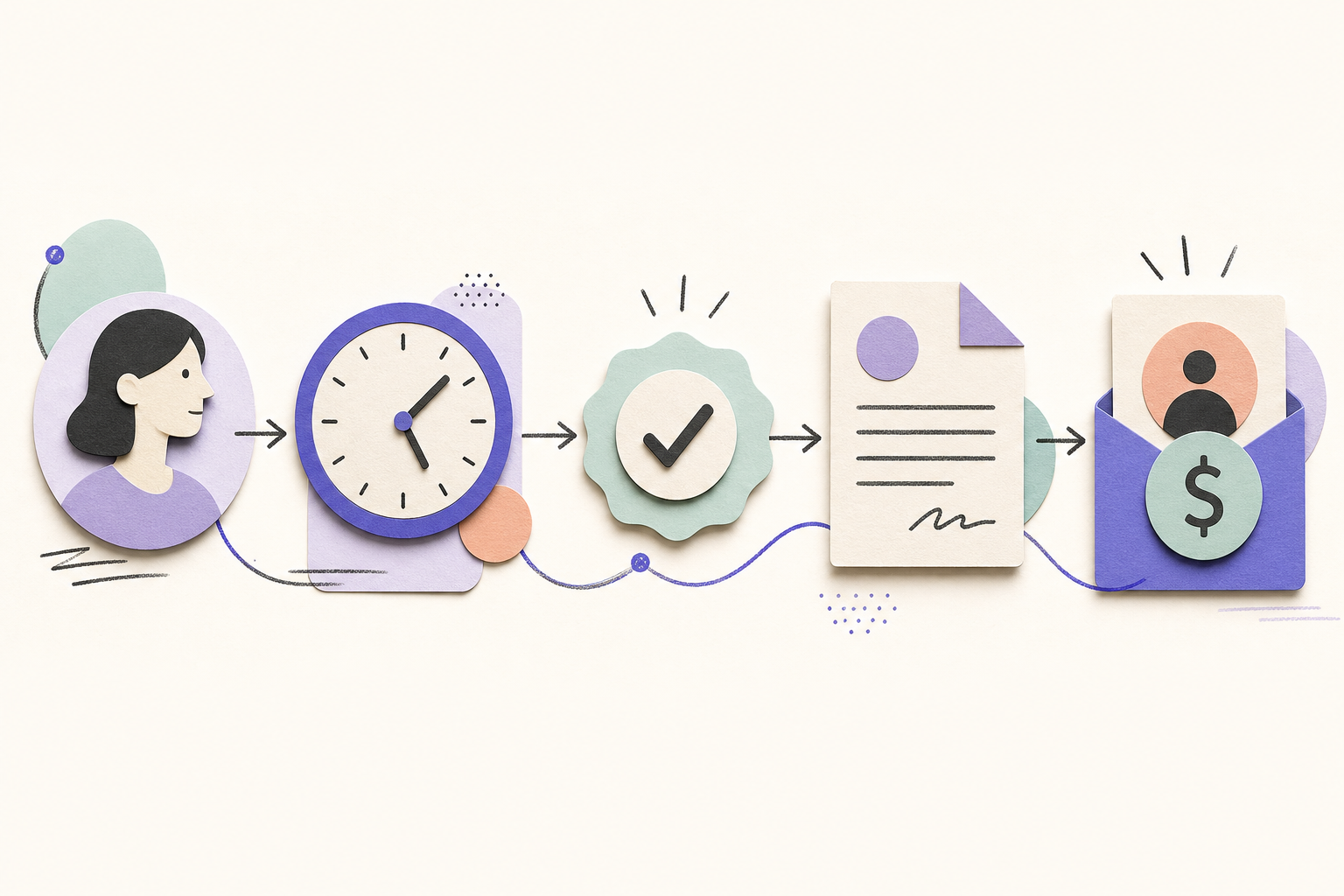
NxtGenSoftware treats attendance devices as operational infrastructure. The integration includes registration, mapping, ingestion, validation, and exception ownership.

Workflow

What the team actually does

  1. 1

    Register each terminal with location, owner, token, and rollout state.

  2. 2

    Map employee codes to workforce records before production use.

  3. 3

    Ingest events through JSON or CSV and validate results.

  4. 4

    Route unmatched punches to an owner for correction.

Controls

What becomes visible and governed

Device registry
Employee-code mapping
Ingestion validation
Unmatched punch queue

Expected outcomes

  • More reliable attendance integrations
  • Fewer silent data failures
  • Cleaner payroll inputs from device data

Operating note

Registration and rollout
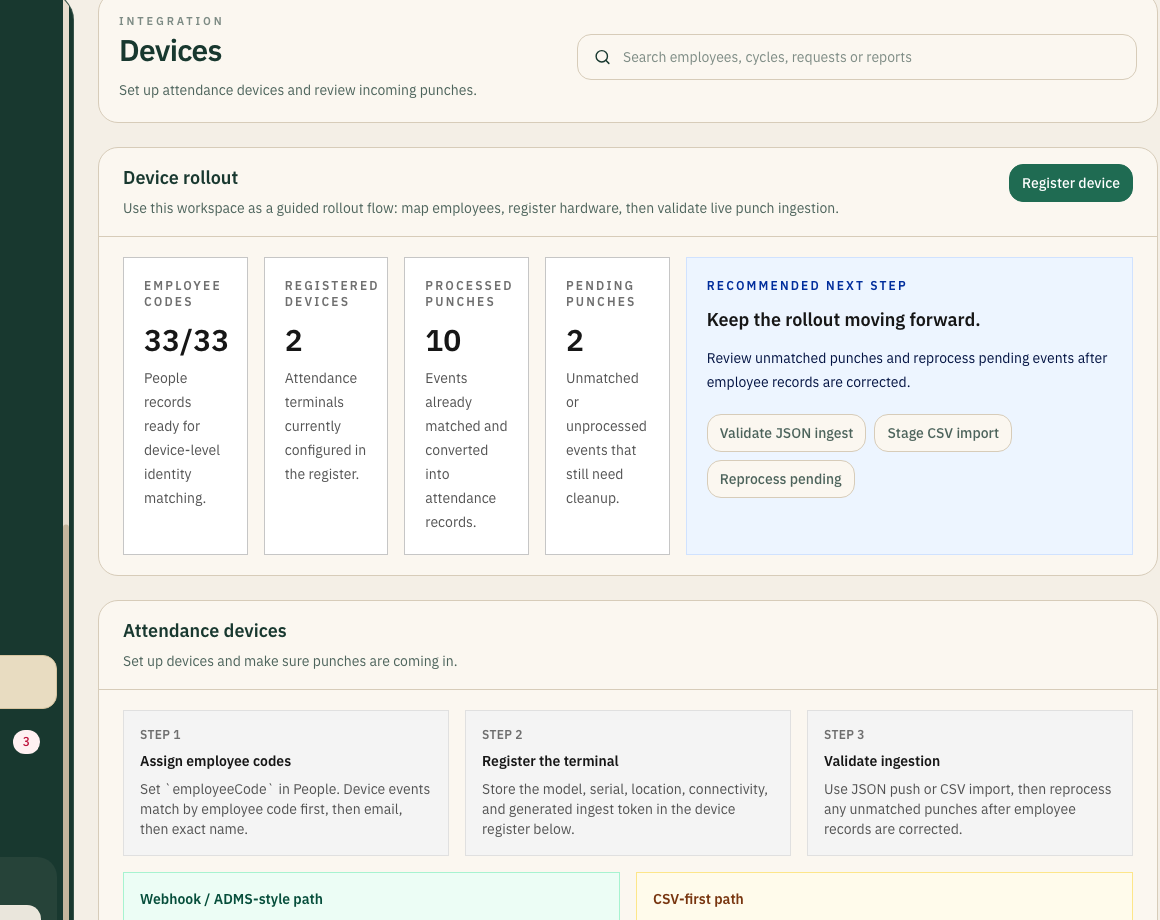
Keep device details, tokens, and rollout status in one place.

Operating note

JSON and CSV ingestion

Support operational testing and staged rollout through structured ingest paths.

Operating note

Exception handling

Treat unmatched punches as visible follow-up work rather than silent failures.